Dog Nutrition: What Is Complete and Balanced Dog Food?
Sponsored by




Photo by Chewy
A complete and balanced dog food contains all the nutrients a dog needs in the proper proportions for their life stage.
The food your dog eats provides the building blocks for nearly every function in their body, from growth and energy to digestion and immune health. That’s why choosing the right diet matters.
Whether you’re evaluating your dog’s current food or considering a new option like Canidae Pure Farm to Bowl, understanding what “complete and balanced” really means can help you make informed decisions about your dog’s nutrition.
What Does Complete and Balanced Mean?
In dog nutrition, a complete and balanced dog food contains all the nutrients your dog needs in the proper proportions for their life stage.
The Association of American Feed Control Officials (AAFCO) sets nutritional standards to help pet food manufacturers formulate diets that meet the dietary needs of dogs at various life stages. According to AAFCO:
- “Complete” means the food meets all nutrient requirements for a dog’s life stage.
- “Balanced” means those ingredients are in the appropriate proportions.
Benefits of Feeding a Complete and Balanced Dog Food
Dogs rely on their food to provide the nutrients needed to support nearly every function in the body. Feeding a complete and balanced diet helps support:
- Healthy growth and development
- Strong muscles, bones, and teeth
- Healthy skin and a shiny coat
- Proper digestion
- Immune system function
- Overall health and wellness
Because dogs typically eat the same food every day, nutritional imbalances can add up over time, explains Gary Richter, DVM, owner of Holistic Veterinary Care in Oakland, California.
An imbalance—whether too little or too much of a nutrient—can contribute to issues such as weak bones, dull coat quality, digestive problems, and other health concerns.
How To Tell if a Dog Food Is Complete and Balanced
The easiest way to determine whether a dog food is complete and balanced is to look for the AAFCO nutritional adequacy statement on the packaging.
This statement indicates that the food meets established nutritional standards for a specific life stage, such as growth (puppies), maintenance (adult dogs), or all life stages.
The AAFCO statement can be tricky to spot, but it is usually found on the back or side of dog food packaging near the list of ingredients. Below is an example of what to look for.
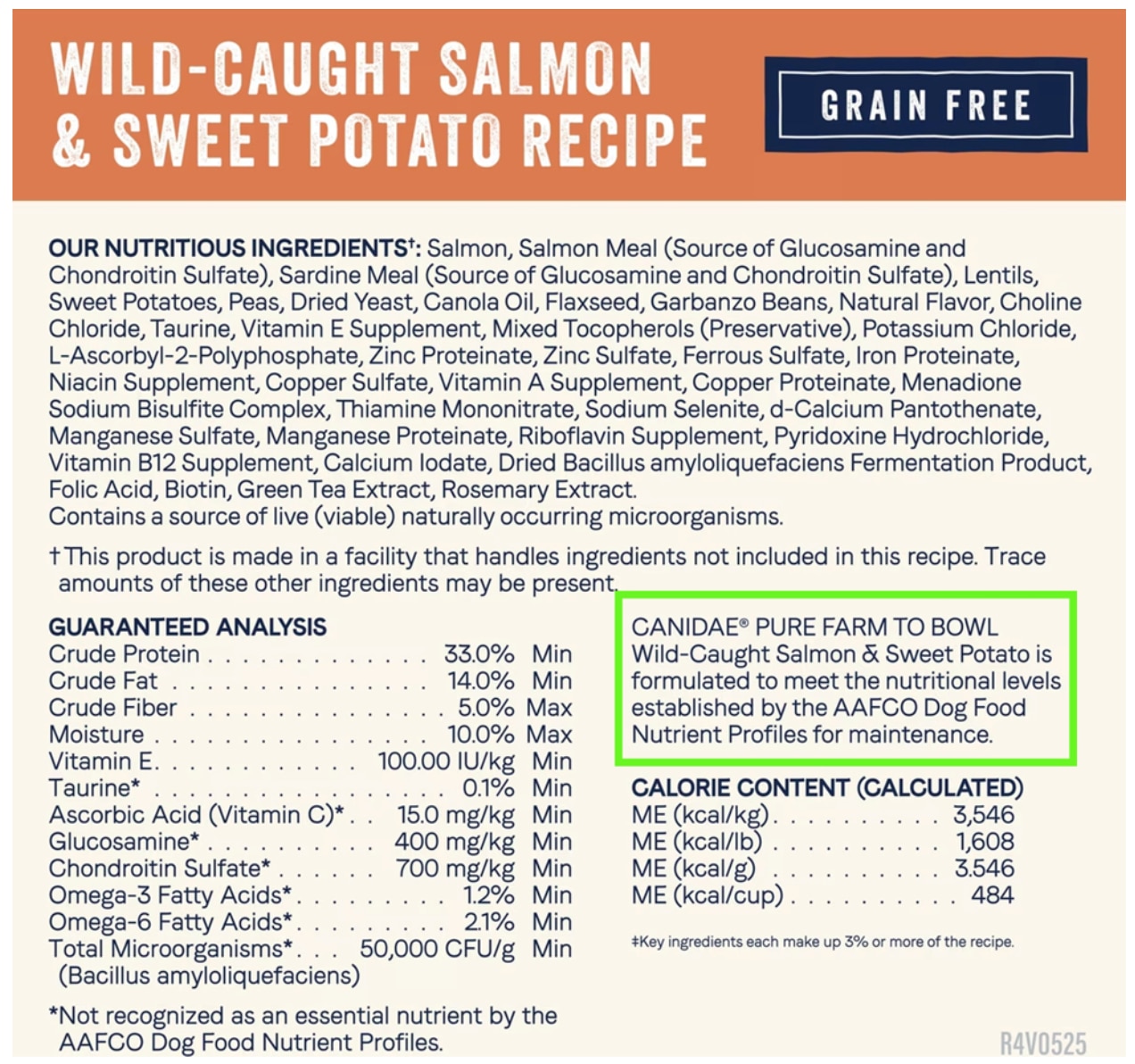
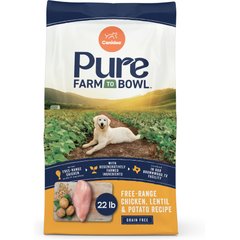
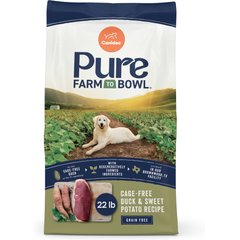
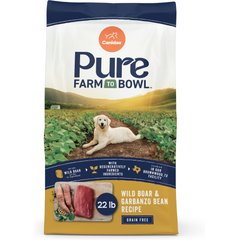
This is the nutritional information for Canidae Pure Farm to Bowl Wild-Caught Salmon & Sweet Potato Recipe, a great example of a complete and balanced dry dog food. Canidae Pure Farm to Bowl comes in seven different recipes, including high-quality proteins like free-range chicken, cage-free duck, and wild boar, and all seven carry the AAFCO nutritional adequacy statement.
Sponsored
Recommended Products
What Should Be in a Dog’s Diet?
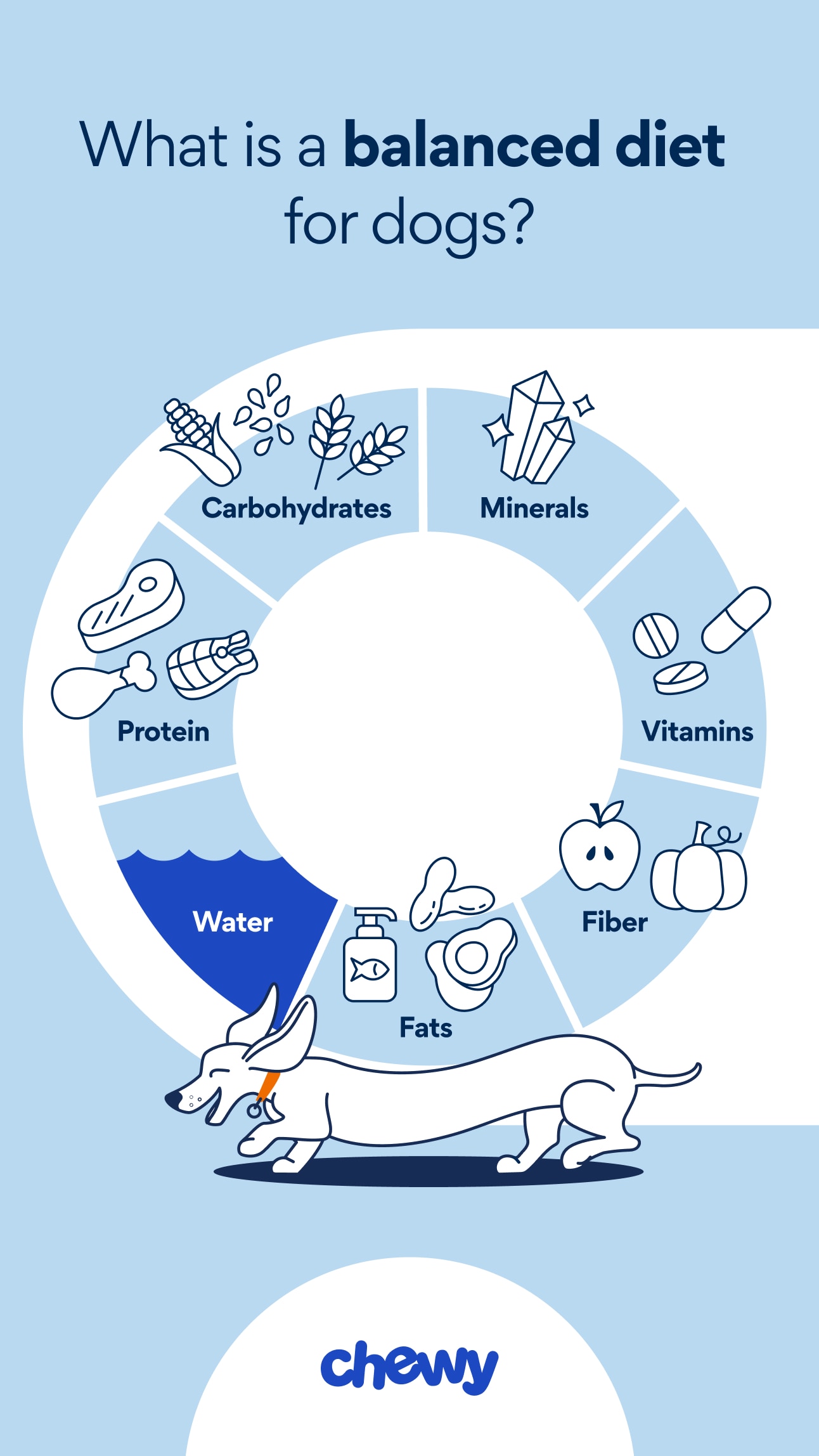
Chewy
Whether you’re feeding kibble, wet food, or a raw diet, the key is choosing a food that has the right balance of nutrients. According to AAFCO, dogs require these six essential nutrient groups: Protein, fats, carbohydrates, vitamins, minerals, and water.
| Nutrient Group | What It Does | Common Sources |
|---|---|---|
| Protein | Builds and maintains muscles and other body tissues | Chicken, duck, beef, lamb, bison, venison, salmon, whitefish, and eggs |
| Fats | Provide energy and support skin and coat health | Fish oil, salmon oil, chicken fat, flaxseed, and canola oil |
| Carbohydrates | Provide energy for activities and body function | Whole grains, brown rice, oats, sweet potatoes, peas, and lentils |
| Vitamins | Support growth, metabolism, and other essential functions | Vitamins A, B-complex, D, E, and K; found in fruits, vegetables, and added supplements |
| Minerals | Support bones, muscles, nerves, and other body functions | Calcium, phosphorus, magnesium, potassium, iron, zinc, selenium, and iodine; found in meat, fish, grains, and added supplements |
| Water | Supports hydration and overall body function | Fresh drinking water |
While fiber isn’t classified by AAFCO as an essential nutrient for dogs, they do require it to be listed on labels and vets still consider it an important part of many dogs’ diets. Fiber helps support healthy digestion, promotes regular bowel movements, nourishes beneficial gut bacteria, and can help dogs feel full, making it useful for weight management. The amount and type of fiber that’s best depends on the individual dog and their health needs.
What To Look For When Choosing a Dog Food
While every dog has unique nutritional needs, there are a few key factors you should consider when comparing products.
Complete and Balanced Nutrition
First and foremost, choose a dog food that provides complete and balanced nutrition for your dog’s life stage. Look for an AAFCO nutritional adequacy statement on the packaging, which indicates the food meets established nutritional standards.
High-Quality Protein Sources
Protein provides the essential amino acids dogs need to build and maintain muscles, support healthy tissues, and perform other important body functions. Look for a dog food that contains animal-based protein sources, such as chicken, beef, fish, lamb, duck, or venison.
Appropriate Life-Stage Nutrition
Your dog will have different nutritional requirements as a puppy, throughout adulthood, and into their senior years. Choosing food formulated for your dog’s life stage helps ensure they receive the right balance of nutrients to support growth, maintenance, or healthy aging.
Canidae Pure Farm to Bowl has complete and balanced recipes for each stage of your dog’s life. The line includes Puppy, Adult, Healthy Weight, and Senior formulas, making it easy to choose a recipe that matches your dog’s nutritional needs.
Sponsored
Recommended Products
Digestibility and Ingredient Quality
A dog’s body can only benefit from nutrients that it can properly digest and absorb. In addition to quality protein sources, look for foods that contain healthy fats, such as fish oil, along with nutrient-rich ingredients like sweet potatoes, brown rice, carrots, blueberries, or other fruits and vegetables that contribute vitamins, minerals, and fiber.
Brand Transparency and Quality Standards
Consider choosing a brand that is transparent about its ingredients, sourcing practices, and quality-control measures. Reputable manufacturers invest in research, testing, and nutritional expertise to help ensure consistent product quality and safety.
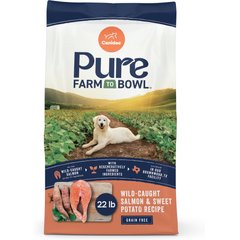
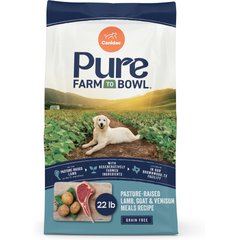
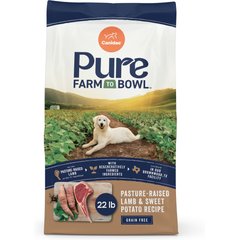
For example, Canidae Pure Farm to Bowl recipes feature responsibly sourced proteins, such as wild-caught salmon, pasture-raised lamb, and free-range bison, as the first ingredient. Canidae partners with a network of trusted farms to source ingredients, including regeneratively farmed crops that help support soil health. The company manufactures its recipes in its own facility in Brownwood, Texas, allowing it to maintain oversight of safety, quality, and consistency from ingredient sourcing through production.
Sponsored
Recommended Products
Why Dog Nutritional Needs Change Throughout Life
A dog’s nutritional needs change throughout their life because their body goes through different stages of growth, maintenance, and aging. Puppies need extra nutrients to support rapid development, adult dogs require balanced nutrition to maintain their health, and senior dogs often benefit from diets tailored to age-related changes in joint health, metabolism, and activity levels.
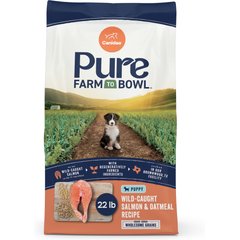
- Puppies: Puppy food should contain higher levels of protein, fat, phosphorus, and calcium than adult dog food, says Dr. Richter. These nutrients support muscle and bone development and provide the energy needed for growth and essential functions. Canidae Pure Farm to Bowl Real Salmon & Oatmeal Recipe Puppy Food meets AACFO nutritional requirements for growing puppies.
Sponsored
Recommended Product
- Adult dogs: Once dogs reach adulthood, their nutritional needs shift from supporting growth to maintaining overall health. A complete and balanced diet, like Canidae Farm to Bowl Dry Dog Food, helps support healthy body condition, muscle maintenance, energy levels, and everyday body functions.
Sponsored
Recommended Product
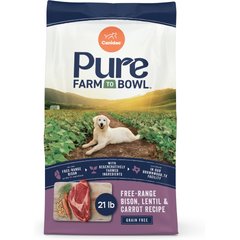
- Senior dogs: As dogs age, changes in metabolism, activity level, and digestion can affect their nutritional needs. Older dogs often require fewer calories and may benefit from more easily digestible diets, Dr. Richter says. Canidae Pure Farm to Bowl Senior Dog Food contains their HealthPLUS blend of probiotics, antioxidants and omega-3 and 6 fatty acids to support your senior dog’s immune system, digestive health, and promote skin and coat health.
Sponsored
Recommended Product
Do Dogs Need Supplements?
Most dogs who eat a complete and balanced diet do not need supplements. A complete and balanced dog food is formulated to provide all the essential nutrients a dog needs for their life stage.
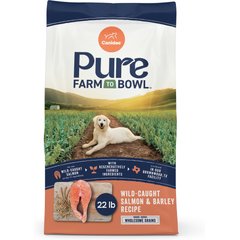
For example, Canidae Pure Farm to Bowl Wild-Caught Salmon & Barley Recipe contains ingredients commonly found in dog supplements, including glucosamine and chondroitin sulfate to help support joint health, omega-3 fatty acids to help support skin and coat health, and the probiotic Bacillus amyloliquefaciens to help support digestive health.
Sponsored
Recommended Product
However, some dogs may benefit from supplements recommended by a vet to help support specific health conditions or nutritional needs.
While supplements can be beneficial, always talk to your vet before adding them to your canine companion’s diet to make sure they’re safe and appropriate for your dog.
Some commonly recommended dog supplements include:
- Joint supplements: Often recommended for senior dogs or large breeds prone to arthritis, joint supplements like glucosamine, chondroitin, and MSM can help maintain joint health and mobility.
- Fish oil: Rich in omega-3 fatty acids, fish oil supplements help support your pup’s skin, coat, hips, joints, heart, and immune system.
- Probiotics: Probiotics are beneficial bacteria that can help support gut and immune health.
FAQs About Dog Nutrition
Is all dog food complete and balanced?
No, some dog foods are intended only for intermittent or supplemental feeding and should not be used as a dog’s sole source of nutrition. Look for the AAFCO nutritional adequacy statement to determine whether a food provides complete and balanced nutrition.
Can dogs live on complete and balanced dog food alone?
Yes, complete and balanced dog food is formulated to provide all the nutrients a dog needs for their intended life stage and can serve as your dog’s primary diet alongside fresh water.
What happens if a dog’s diet isn’t balanced?
If a dog’s diet isn’t balanced, nutrient deficiencies or excesses can affect growth, digestion, skin and coat health, bone development, and overall wellness. Because dogs often eat the same food every day, nutritional imbalances can add up over time.
What should I look for in dog food labels?
Start by looking for an AAFCO nutritional adequacy statement confirming that the food provides complete and balanced nutrition for a specific life stage. You should also review the ingredient list for nutrient-rich ingredients, including protein sources, healthy fats, vitamins, and minerals.
Is chicken meal bad in dog food?
No. Chicken meal is a concentrated protein ingredient made by cooking and drying chicken to remove moisture. When sourced from reputable manufacturers, it can provide protein, amino acids, and other nutrients that support your dog’s health.
Is expensive dog food more nutritious?
A higher price doesn’t necessarily mean a dog food is more nutritious. When choosing a dog food, focus on whether it provides complete and balanced nutrition for your dog’s life stage, rather than its cost. Some premium foods offer unique ingredients or specialized formulations, but many affordable dog foods also provide excellent nutrition.
Can I make my own complete and balanced dog food?
While it’s possible to prepare homemade dog food, making sure it’s nutritionally complete and balanced is challenging. Dogs require precise amounts of protein, fats, carbohydrates, vitamins, and minerals, which can be difficult to achieve without expert guidance and testing. If you want to feed a homemade diet, work with a veterinary nutritionist to formulate a well-balanced recipe that meets your dog’s specific needs.
Attributions