Osteoarthritis in Dogs: Signs, Treatment, and Prevention


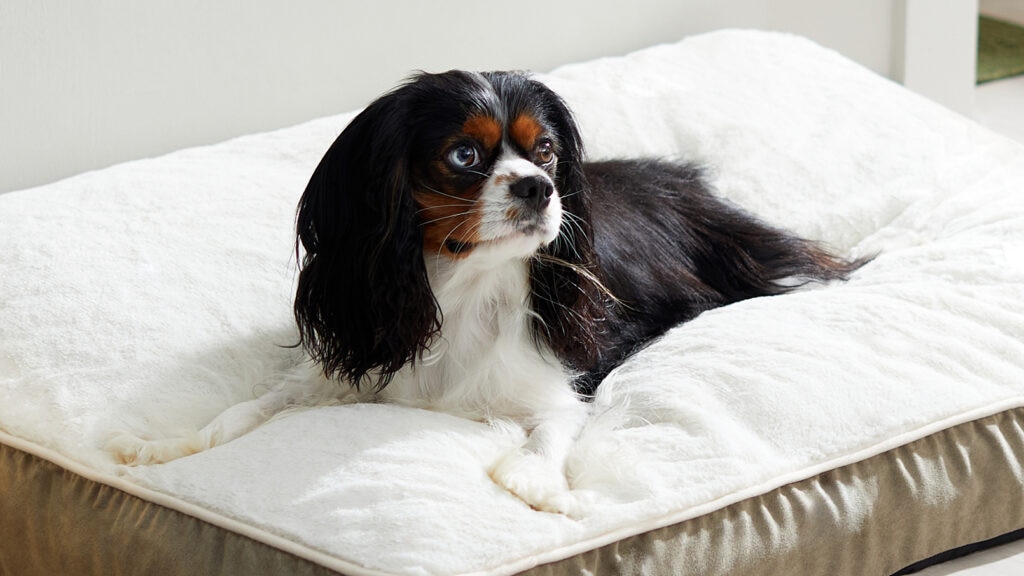
Photo by Chewy
Osteoarthritis in dogs is a common, progressive joint disease that causes pain, inflammation, stiffness, and reduced mobility. If your dog is limping, reluctant to exercise, struggling to get up, or showing other signs of joint pain, osteoarthritis may be the cause.
While canine osteoarthritis can’t be cured, early diagnosis and a comprehensive management plan can help many dogs stay comfortable and enjoy a good quality of life.
Key Takeaways
- Osteoarthritis in dogs is a progressive joint disease that causes pain, inflammation, and cartilage breakdown.
- Common symptoms include stiffness, limping, difficulty rising, and reduced activity.
- Treatment focuses on pain management, weight control, and joint support therapies.
- Although OA in dogs can’t be cured, early diagnosis and long-term management can help improve your pet’s quality of life.
What Is Osteoarthritis in Dogs?
Osteoarthritis in dogs, also called canine osteoarthritis or degenerative joint disease (DJD), is a progressive condition that causes cartilage that cushions a dog’s joints to break down over time.
As cartilage wears away, it can lead to:
- Bone-on-bone friction
- Joint inflammation
- Pain and stiffness
- Reduced mobility
Osteoarthritis is the most common form of arthritis in dogs. It can affect any joint, but is often seen in the hips, knees, elbows, shoulders, and spine. While it’s most common in older dogs, younger dogs can also develop OA due to injuries or underlying joint conditions.
Stages of Osteoarthritis in Dogs
Canine osteoarthritis is a progressive disease, meaning it worsens over time. While every dog is different, osteoarthritis in dogs is classified as mild, moderate, or severe based on the amount of joint damage and how much it affects daily activities.
| Stage | What's Happening | Common Signs |
|---|---|---|
| Mild | Early cartilage damage and inflammation begin to develop. | Occasional stiffness, reluctance to jump, slower movement after rest, mild decrease in activity |
| Moderate | Cartilage loss becomes more significant, causing increased inflammation and discomfort. | More frequent limping, difficulty rising, avoiding stairs, reduced interest in walks or play |
| Severe | Extensive cartilage loss and chronic joint damage can significantly affect mobility and quality of life. | Persistent pain, marked stiffness, muscle loss, difficulty standing or walking, major activity limitations |
How Osteoarthritis Progresses in Dogs
Once OA develops in a joint, it progressively gets worse over time as the cartilage wears down and the bones start to rub together.
Osteoarthritis won’t progress at the same rate for all dogs. It is hard to predict exactly how quickly OA will advance in your dog, but there are influencing factors:
- Body condition and weight. Lean, trim dogs have a slower progression of OA as compared to overweight dogs. A study of 48 dogs demonstrated dogs with a lean body weight were diagnosed with OA at a median age of 12 years, compared to 6 years for overweight dogs.
- Joint deformity. Dogs born with a genetic joint deformity have a faster progression of OA.
- Joint injury. Dogs who have sustained a joint injury have a faster progression of OA.
Delaying intervention for OA allows the joints to continue to degenerate, causing worsening signs of arthritis, including:
- Decreased quality of life: Loss of energy, decreased appetite, depression, not wanting to play or go for walks
- Chronic pain: A high level of constant pain that may be hard to manage with medication and other treatment
- Loss of mobility: Decrepit condition, loss of ability to stand or walk
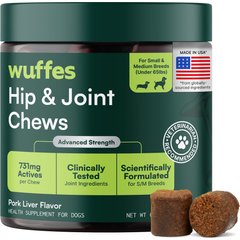
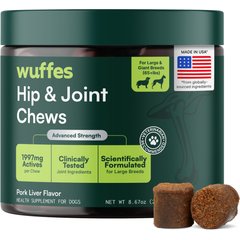
Early diagnosis and treatment—including weight management, appropriate exercise, and pain control—can help your dog stay comfortable. Joint support supplements, such as Wuffes Advanced Hip & Joint Chews, may also help support mobility and comfort in dogs dealing with OA.
Recommended Product
Signs of Osteoarthritis in Dogs
The signs of osteoarthritis in dogs can vary depending on which joints are affected and how advanced the disease has become.
Symptoms of osteoarthritis in dogs include:
- Stiffness, especially after rest
- Pain, often indicated by whining, limping, or favoring a limb
- Less interest in play or walks
- Difficulty getting up or lying down
- Using the front legs to pull up from a lying position
- Avoiding stairs
- Hesitancy to jump up or down
- Changes in how your dog stands or moves
- Muscle loss or weakness
- Swollen or thickened joints
If you notice any of these signs, schedule a visit with your veterinarian. Catching osteoarthritis early and starting treatment can help your dog feel better and get back to a normal life.
Causes of Osteoarthritis in Dogs
Most dogs develop OA because of more than one underlying problem. These can include:
- Genetic joint conditions, like hip dysplasia, elbow dysplasia, luxating patellas, or cranial cruciate ligament disease
- High-impact activity over time, especially repeated jumping or running on hard surfaces
- Traumatic injury to a joint
- Excess weight, which puts extra stress on joints
- Normal aging, which gradually wears down joint cartilage
OA can affect any dog, but large-breed dogs—such as Labrador Retrievers and German Shepherds—are at higher risk. Dogs with bone or joint conditions, such as hip dysplasia, elbow dysplasia, luxating patellas, and cranial cruciate ligament disease, are also more likely to develop arthritis.
Diagnosis of Osteoarthritis in Dogs
To diagnose osteoarthritis in dogs, your veterinarian will start with a thorough exam and evaluate how your dog moves and uses their joints. This may include:
- A physical exam to check for joint pain, swelling, muscle loss, and other signs of arthritis
- Range-of-motion testing to identify stiffness and reduced joint flexibility
- Gait evaluation to look for limping, subtle lameness, or changes in movement
- X-rays to assess joint damage, including cartilage loss, bone remodeling, and other changes associated with osteoarthritis
In some cases, your veterinarian may recommend additional tests, such as blood work, joint fluid analysis, or advanced imaging, to rule out other causes of joint pain and mobility problems.
Treatment of Osteoarthritis in Dogs
Treatment for osteoarthritis in dogs focuses on relieving pain, reducing inflammation, and preserving muscle mass to help dogs stay active. Most dogs benefit from a combination of therapies to improve their health and quality of life rather than a single treatment.
Medications for Osteoarthritis in Dogs
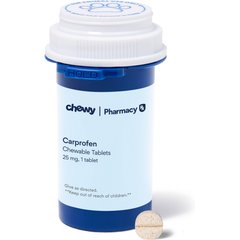
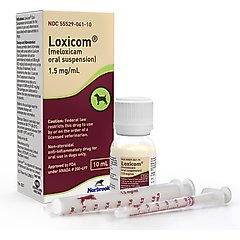
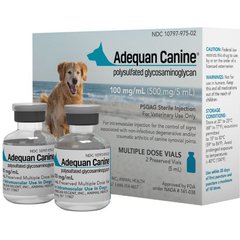
Prescription medications are often the foundation of treatment for canine osteoarthritis.
Options may include:
Recommended Products
Weight Management
Maintaining a healthy weight is one of the most important ways to manage OA in dogs. Excess body weight increases inflammation, places additional stress on already painful joints, and can worsen mobility issues.
Your veterinarian can recommend a safe weight-loss plan if your dog is overweight.
Physical Therapy and Rehabilitation
Physical rehabilitation, can help improve strength, flexibility, and mobility in dogs with osteoarthritis.
Options may include:
Your vet or a veterinary rehab specialist can help determine which therapies may benefit your dog.
Advanced Therapies
Some dogs may benefit from advanced treatments, particularly if their arthritis is severe or difficult to manage.
These options may include:
- Platelet-rich plasma (PRP) therapy
- Joint injection for the elbow (Synovetin OA)
- Other regenerative medicine approaches recommended by your vet
OA in dogs can’t be cured, but treatment can help reduce pain, improve comfort, and slow disease progression.
While some dogs may feel better in a few days or weeks, it can take months for others to improve. Even though some treatments can provide long-lasting benefits, most dogs will need lifelong treatment.
Joint Supplements and Nutrition for Dogs With Osteoarthritis
Joint supplements and nutritional support are not considered drugs or medical treatments for osteoarthritis in dogs, but they may help support joint health and mobility as part of a comprehensive management plan recommended by your vet.
Options may include:
- Joint supplements, such as Wuffes Advanced Hip & Joint Chews
- Omega-3 fatty acids, including eicosapentaenoic acid (EPA)
- Therapeutic joint-support diets, such as Hill’s Prescription Diet j/d Joint Care
Recommended Products

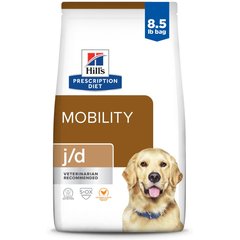
Many joint supplements contain ingredients like glucosamine, chondroitin, MSM, omega-3 fatty acids, and green-lipped mussel. While research on some ingredients is mixed, they are commonly used to support joint function in dogs with osteoarthritis.
Talk with your vet about whether a joint supplement and a therapeutic diet may be appropriate for your dog’s needs.
Helping Your Dog With Osteoarthritis at Home
Simple changes to your dog’s life and home can help preserve their joints and make them feel supported, comfortable, and safe:
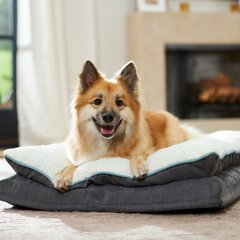
- Provide supportive bedding. Orthopedic dog beds help distribute weight evenly for comfortable support and less stiffness. Low-sided beds, like the Frisco Orthopedic Pillowtop, are easier to step in and out of.
Recommended Product
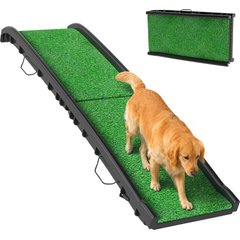
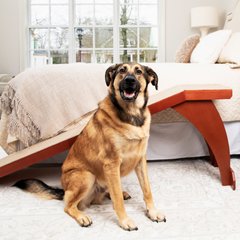
- Use ramps instead of jumping. Pet ramps help reduce strain by eliminating the need to jump into cars or onto couches. Jumping down from vehicles or furniture is especially hard on joints.
Recommended Products
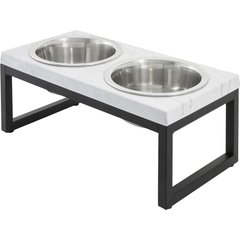
- Adjust the food and water setup. Elevated food and water bowls let your dog eat and drink at a more comfortable angle, without bending down and placing extra weight on their shoulders and elbows.
Recommended Product
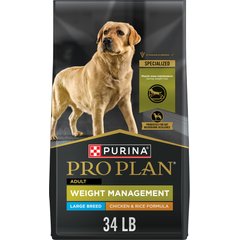
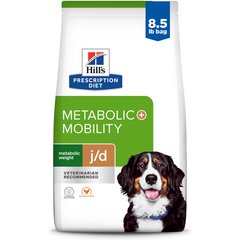
- Support a healthy weight. Dog food for weight control and dog food for joint health can help support weight loss, muscle maintenance, and easier movement; just be sure to transition foods gradually.
Recommended Products
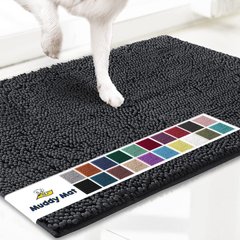
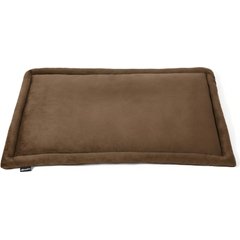
- Prevent slips and falls. Nonslip rugs, like the Muddy Mat, and nonslip bedding, like the Allisandro Non-Slip Crate Mat, help your dog feel more secure and reduce the risk of injury.
Recommended Products
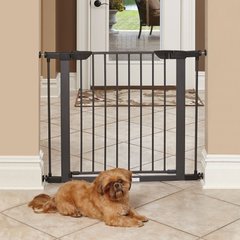
- Block access to stairs. Using a dog gate, like MidWest Steel Pet Gate or Regalo Top of Stair Dog Gate, to block the use of stairs helps protect your dog’s painful joints from strenuous impact. Dogs with OA are at a high risk of dangerous falls.
Recommended Products

How To Prevent Osteoarthritis in Dogs
OA isn’t always preventable, especially if your dog has an underlying bone or joint problem. However, these steps may help support long-term joint health:
- Keeping up with routine veterinary care: Regular exams and health screenings can help your vet catch joint issues early, which may improve treatment outcomes.
- Providing regular, low-impact exercise: Daily walking or other gentle activity can help keep your dog strong and flexible and help them lose extra weight.
- Supporting joint health with supplements: Some joint supplements, including products containing glucosamine, chondroitin, MSM, omega-3 fatty acids, or green-lipped mussel, may help support joint health and mobility as part of a veterinarian-recommended care plan.
- Limiting jumping and rough play: Repetitive or forceful activities can permanently damage your dog’s joints, especially while they’re growing. Ask your veterinarian about safe activities and exercise for your dog’s age.
FAQs About Osteoarthritis in Dogs
How long can a dog live with osteoarthritis?
Dogs with osteoarthritis can live a normal lifespan with regular veterinary care and treatment to manage pain, reduce inflammation, and maintain a healthy weight.
How common is osteoarthritis in dogs?
Osteoarthritis is very common in dogs, especially older dogs. It affects approximately 20% of adult dogs.
Is osteoarthritis in dogs painful?
Yes, osteoarthritis is a chronic, painful condition. As joint cartilage breaks down, it leads to inflammation, stiffness, and discomfort during movement.
Can osteoarthritis in dogs be cured?
No, osteoarthritis can’t be cured, but treatment can help relieve joint pain, reduce inflammation, and slow disease progression.
Is walking good for a dog with osteoarthritis?
Yes, walking is good for a dog with osteoarthritis to help keep the joints lubricated, maintain muscle tone, and help a dog stay at a healthy weight. Only resume walking when your dog’s level of pain is improved to the point that your vet approves routine, gentle, low-impact exercise. Always check with your vet first about the best way to exercise your dog, considering their comfort and mobility.
What is the best treatment for canine osteoarthritis?
The best treatment for canine osteoarthritis is a proactive, multimodal approach that combines several therapies and oral medication to relieve pain and inflammation. This may include a diet for joint support, weight management, joint supplements, physical therapy, injections, and regular low impact activity.
Attributions